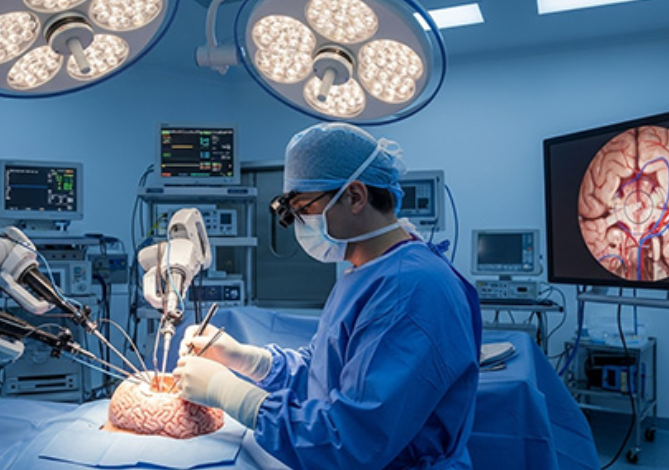
Medical science continues to evolve rapidly, offering new hope and possibilities for patients facing neurological conditions. Advancements in brain surgery techniques have transformed how surgeons approach complex procedures, making them safer and more effective. Understanding these modern approaches helps patients and their families feel more prepared when navigating treatment options.
What Techniques Are Emerging?
Surgeons now have access to a variety of innovative tools and methods designed to treat conditions previously thought inoperable. These advancements focus on targeting affected areas while preserving healthy brain tissue.
- Laser Interstitial Thermal Therapy (LITT): This technique uses a laser probe to heat and destroy abnormal tissue. Surgeons guide the laser through a small hole in the skull, monitoring the heat map in real-time via MRI.
- Focused Ultrasound: High-intensity sound waves target deep brain structures without any incision. This method treats tremors and other functional disorders by creating a small lesion in a specific area.
- Robotic-Assisted Surgery: Robots assist surgeons by holding instruments steady and navigating deep into the brain. These devices filter out hand tremors and allow for movements more precise than the human hand alone.
Brain surgery now incorporates these tools to reduce recovery times and improve outcomes. As these technologies become more widely available, they offer patients alternatives to traditional open procedures.
How Is Precision Improved?
Precision determines the success of many neurological procedures. Surgeons rely on advanced imaging and navigation systems to map the brain before they ever enter the operating room. Functional MRI (fMRI) allows doctors to see which parts of the brain control speech, movement, and memory. This map guides the surgical plan, helping the team avoid areas necessary for daily function.
Intraoperative MRI (iMRI) brings imaging directly into the operating suite. Surgeons scan the brain during the procedure to confirm they removed the entire tumor or corrected the issue. This real-time feedback eliminates guesswork. It reduces the need for follow-up surgeries. Computer-assisted navigation acts like a GPS for the brain. It tracks surgical instruments in relation to the patient’s anatomy on a screen. This technology helps surgeons reach deep lesions with accuracy.
Why Minimally Invasive Matters?
Minimally invasive approaches have shifted the focus from large incisions to keyhole openings. These techniques prioritize patient comfort and quicker return to daily life.
- Endoscopic Endonasal Approach: Surgeons reach the brain through the nose and sinuses using a thin tube called an endoscope. This method removes tumors at the skull base without cutting the face or skull.
- Neuroendoscopy: Small cameras and tools enter the brain through dime-sized holes. This technique treats hydrocephalus and removes fluid-filled cysts with minimal disruption to surrounding tissue.
- Keyhole Craniotomy: Instead of removing a large piece of skull, surgeons make a small opening behind the ear or eyebrow. This approach hides scars and reduces trauma to the scalp and muscle.
Patients undergoing minimally invasive brain surgery often experience less pain and shorter hospital stays. Smaller incisions lower the risk of infection and allow the body to heal faster. This approach supports a smoother transition back to normal activities.
See also: The Benefits of Regular Physical Therapy for Long-Term Health
Evaluate Brain Surgery Options
New technologies and methods provide more choices for patients facing neurological challenges. You can discuss these specific techniques with a healthcare provider to understand which options align with your diagnosis. Ask questions about the benefits of robotic assistance or minimally invasive routes during your consultation. Taking time to learn about these advancements empowers you to make informed decisions about your care.