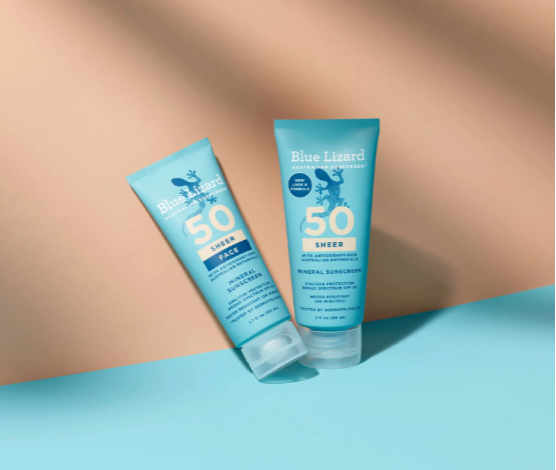
If you’ve ever stood in a store staring at sunscreen labels thinking, “I just want something that won’t hurt things that live in the sea”, you’re part of an ever-growing group that wants eco-friendly sun protection. There are quite a few products on the market that often have the words “reef safe sunscreen” on the side, which warrants an explanation, right?
Well, most sunscreens with this wording on the side will have zinc oxide as the active ingredient and that’s because it’s about as benign as can be when compared against some traditional chemical filters. So, if you’d like to know a bit more about why it’s zinc oxide that’s used, stick around.
Why Reef Safe Sunscreen Became a Thing
Most traditional sunscreens (the chemical types most of us have used at some point) protect skin by absorbing UV radiation. However, the problem isn’t that this method doesn’t work – because it does. It’s more to do with what happens after that when it finds its way into the ocean – something it can still do even if you wash it off in the shower at home.
Research has linked chemical UV filters used in non reef safe sunscreen, like oxybenzone and octinoxate, to coral stress and bleaching, even at very low concentrations. Given long enough, this can turn those precious habitats into a lifeless white mound that’s no longer habitable for marine creatures.
What Makes Zinc Oxide Work Differently?
Zinc oxide protects skin in a fundamentally different way than chemical filters that have to be absorbed into the skin so they can convert UV rays into heat. Instead of absorbing UV rays, zinc oxide sits on the surface of the skin and reflects them away like a mirror.
This is great for your skin, and the fact that zinc oxide occurs naturally means that it’s much less likely to harm coral like chemical products are believed to do.
See also: The Benefits of Regular Physical Therapy for Long-Term Health
Other benefits offered by mineral, zinc oxide brands include:
- They work from the moment they’re put on, so no more having to wait 20 minutes indoors for it to absorb into your skin
- It tends to remain more stable during sun exposure, although you still need to reapply the lotion every two hours
- It provides broad-spectrum protection (both UVA and UVB rays) by default, whereas some chemical brands don’t
Using zinc oxide-based sunscreens is about making a deliberate choice to do your bit to protect the planet. The truth is that if everyone switched to a mineral product today, it would help reduce one of the most avoidable threats to our coral reefs. And when all you have to do on your part is choose a different sunscreen, why wouldn’t you?
Choose a Reef Safe Sunscreen & Protect Precious Sea Life
If protecting coral reefs matters to you, making a different sunscreen choice is a bit of a no-brainer. You can get effective protection for you and your family while at the same time getting a good feeling about doing your part. Sure, you’re only one person, but if we all try to help each other understand what doing so means, there’s no reason it can’t happen.
So, the next time you’re faced with a choice of which sunscreen to buy, choose zinc oxide-based products, as they’re the kindest to the environment by far.