Missing teeth can impact a person’s ability to chew food properly and speak clearly. Tooth replacement is a standard restorative dental intervention designed to address functional deficits while improving the smile’s appearance. Although each patient presents a different set of anatomical circumstances, the general goal of treatment remains the restoration of oral health and stability.
Understanding Tooth Loss
Tooth loss occurs for a variety of reasons, including advanced periodontal disease, severe tooth decay, or traumatic facial injury. When a natural tooth is lost, the alveolar bone that previously supported the root often begins to resorb or shrink because it no longer receives stimulation. This loss of bone volume can complicate future tooth replacement efforts. It can also allow the remaining natural teeth to shift into the empty space.
Exploring Replacement Options
Patients can have access to several restorative methods, and the appropriate choice depends on clinical needs and personal preferences. A dental professional will evaluate the oral cavity to determine which solution offers the best potential outcome:
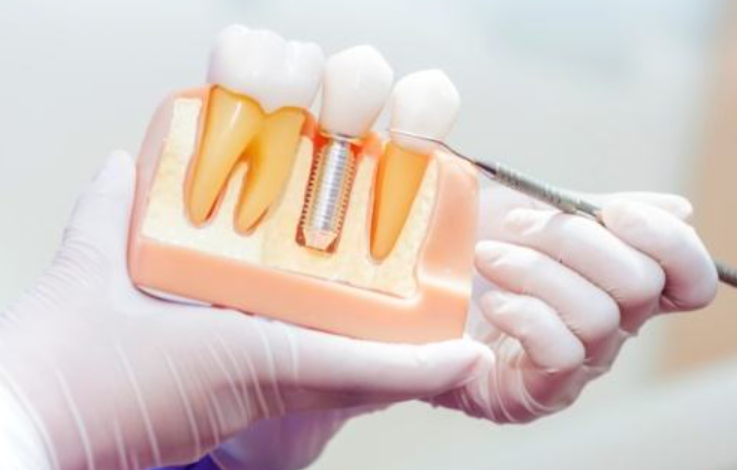
- Dental Implants: These are titanium posts surgically placed into the jawbone to serve as artificial roots, providing a stable foundation for a crown.
- Dental Bridges: This fixed restoration spans the gap created by one or more missing teeth and is anchored by the natural teeth or implants on either side.
- Dentures: These removable appliances can replace a full arch of missing teeth or just a few teeth, depending on the patient’s needs.
Preparing for Treatment
The process begins with a consultation where the dentist reviews the patient’s medical and dental history. Diagnostic imaging, such as X-rays or 3D cone-beam scans, is typically used to assess the density of the jawbone and the health of adjacent teeth. Some patients may require preliminary procedures, such as bone grafting or gum therapy, before the primary restoration can begin.
Completing the Procedure
The steps for restoration depend on whether the patient chooses implants, bridges, or dentures. For dental implants, the provider inserts the post into the jawbone and waits for healing before attaching the crown. For bridges or dentures, the dentist takes impressions that the lab uses to create a secure, functional prosthetic.
Maintaining Your Results
Maintaining the long-term success of your dental restoration requires a dedicated commitment to oral health. To aid in the longevity of your prosthetic and the health of the surrounding tissue, try following hygiene practices such as:
- Daily Cleaning: Brush twice daily and floss carefully around the restoration to remove plaque and prevent gum inflammation.
- Professional Monitoring: Attend regular follow-up visits so your dentist can monitor the integrity of the prosthetic.
- Ongoing Adjustments: Stay consistent with clinical appointments to allow for any necessary adjustments, helping to make sure your restoration continues to function properly.
See also: The Benefits of Regular Physical Therapy for Long-Term Health
Learn More About Tooth Replacement
Restoring your smile can involve a structured series of steps designed to rehabilitate oral function. Understanding the phases of tooth replacement can help individuals make educated decisions regarding their dental care. Contact a provider to schedule a consultation or ask any further questions you may have about your treatment options.