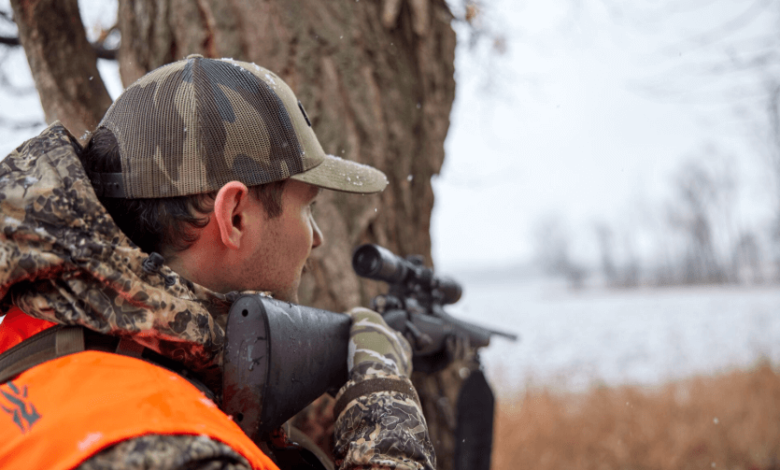
Hunters eagerly await opening day, but understanding state hunting regulations is crucial to avoid mistakes. These laws protect wildlife, ensure safety, and preserve the sport. Rules vary by state, species, and even hunting zones, so staying informed is essential. This guide covers licensing, seasons, and conservation ethics to help you hunt responsibly and legally.
Understanding Core Hunting Requirements
Licensing and Permits
Your hunting license serves as your legal permission to hunt within state boundaries. Most states require hunters to complete a hunter education course before obtaining their first license, covering topics like firearm safety, wildlife identification, and hunting ethics.
Beyond the basic hunting license, many hunts require additional permits or tags. These might include:
- Species-specific tags: Separate permits for deer, elk, turkey, or waterfowl
- Special hunt permits: For limited-draw hunts or trophy areas
- Federal stamps: Required for migratory bird hunting
- Archery or muzzleloader endorsements: For hunters using specific equipment
Always carry your licenses and permits while hunting. Game wardens have the authority to check these documents, and being unable to produce them can result in citations.
Bag Limits and Possession Rules
Bag limits control how many animals you can harvest during a specific time period. These limits serve multiple purposes: they prevent overharvesting, ensure fair distribution of hunting opportunities, and help maintain healthy wildlife populations.
Bag limits can be quite specific. For example, a deer season might allow “two deer, only one of which may be a buck with at least four points on one side.” Understanding these nuances prevents accidental violations.
Possession limits often differ from bag limits. While you might be allowed to harvest two ducks per day, the possession limit might be six ducks total. This means you can accumulate harvested game over multiple hunting days, up to the possession limit.
Legal Hunting Hours
Most states restrict hunting to specific hours, typically from 30 minutes before sunrise to 30 minutes after sunset. These restrictions vary by species and season. Waterfowl hunting, for instance, often has earlier start times than big game hunting.
Some states publish official sunrise and sunset times for different regions, while others expect hunters to calculate these times based on their specific hunting location. Mobile apps and websites can help determine legal hunting hours for your area.
See also: The Impact of Lifestyle Medicine Consult on Long Term Wellbeing
Navigating Hunting Zones and Geographic Restrictions
States divide their territory into hunting zones or units, each with specific regulations. These zones help wildlife managers tailor hunting seasons to local wildlife populations and habitat conditions.
Zone boundaries might follow county lines, highways, rivers, or other geographic features. Some zones have longer seasons or higher bag limits due to robust wildlife populations, while others might have restricted access to protect sensitive habitats or recovering species.
Private land hunting often follows different rules than public land hunting. While you still must follow state licensing and season requirements, private landowners sometimes have additional restrictions or permissions that affect hunting activities.
Special management areas, such as wildlife refuges or state parks, frequently have unique regulations. These might include weapon restrictions, mandatory check-in procedures, or specific hunting methods.
Species-Specific Seasons and Considerations
Big Game Hunting
Deer, elk, moose, and other big game species typically have carefully managed seasons that coincide with optimal population management periods. Many states schedule these seasons during specific times to minimize disruption to breeding cycles and ensure sustainable harvests.
Big game hunting often requires the most preparation. Hunters might need to apply for limited-draw permits months in advance, especially for premium hunting areas or trophy species. Understanding application deadlines and preference point systems can significantly improve your chances of obtaining permits.
When hunting big game with archery equipment, ensure your setup meets state requirements for draw weight and broadhead specifications. Some states have specific regulations about fixed-blade broadheads and other equipment standards that hunters must follow.
Small Game and Upland Birds
Small game seasons often run longer than big game seasons and typically have more liberal bag limits. These hunts provide excellent opportunities for new hunters to gain experience and for seasoned hunters to enjoy extended seasons.
Upland bird hunting requires understanding habitat preferences and flight patterns. Many states coordinate their seasons with migration patterns, opening seasons when bird populations peak in specific regions.
Waterfowl Hunting
Waterfowl hunting operates under both state and federal regulations. The U.S. Fish and Wildlife Service sets framework dates and bag limits, while individual states set their specific seasons within those parameters.
Waterfowl hunters must purchase federal duck stamps in addition to state licenses. These stamps fund critical habitat conservation programs and are required for all waterfowl hunters age 16 and older.
Staying Current with Regulation Changes
Hunting regulations change annually, and sometimes mid-season emergency closures occur due to disease outbreaks, severe weather, or other unforeseen circumstances. Successful hunters develop systems for staying informed about these changes.
Most state wildlife agencies publish annual regulation summaries, available both in print and online. These publications typically become available several months before the hunting season begins, giving hunters time to plan and prepare.
Social media channels, email newsletters, and mobile apps from state wildlife agencies provide real-time updates about regulation changes, season modifications, and important announcements. Following these sources ensures you receive timely information that could affect your hunting plans.
Local sporting goods stores and hunting outfitters often serve as informal information hubs where hunters share updates about regulation changes and field conditions. Building relationships with these businesses can provide valuable insights beyond official sources.
Embracing Ethical Hunting and Conservation
Understanding regulations extends beyond legal compliance to encompass ethical hunting practices. Ethical hunters follow the principles of fair chase, respect for wildlife, and conservation stewardship that sustain hunting traditions.
Fair chase principles emphasize giving animals a reasonable chance to escape and avoiding technological advantages that eliminate the challenge and skill traditionally associated with hunting. While regulations set minimum standards, ethical hunters often impose additional restrictions on themselves.
Conservation efforts funded by hunting licenses, permits, and excise taxes on hunting equipment generate billions of dollars annually for wildlife management and habitat protection. This funding model, known as the North American Model of Wildlife Conservation, has successfully restored numerous species from near extinction.
Participating in citizen science programs, such as harvest reporting and wildlife surveys, helps wildlife managers make informed decisions about future regulations. Many states now require hunters to report their harvests online or by phone, providing valuable data for population assessments.
Conclusion
Stay informed on hunting regulations to ensure legal, ethical hunts and support wildlife conservation. Review updates, attend courses, and connect with experienced hunters to promote responsible practices and preserve wildlife for future generations.