Betta fish, commonly known as Siamese fighting fish, are among the most recognizable freshwater fish in the aquarium hobby. They are valued for their adaptability, distinctive behavior, and wide variety of species and color forms. While many people are familiar with domesticated bettas kept in small home aquariums, the species has a much broader biological and ecological background. Understanding betta fish requires examining their natural origins, behavior, care needs, and the differences between wild and domesticated forms.
Origins and Natural Habitat
Betta fish originate from Southeast Asia, particularly countries such as Thailand, Cambodia, Malaysia, and Indonesia. In the wild, they inhabit shallow freshwater environments including rice paddies, marshes, peat swamps, and slow-moving streams. These habitats are often warm, heavily vegetated, and low in dissolved oxygen.
To survive in such conditions, bettas developed a specialized organ known as the labyrinth organ. This adaptation allows them to breathe atmospheric air, enabling survival in environments where other fish may struggle. Their natural habitats are seasonal and change with rainfall, influencing feeding behavior, movement, and reproduction.
Physical Characteristics
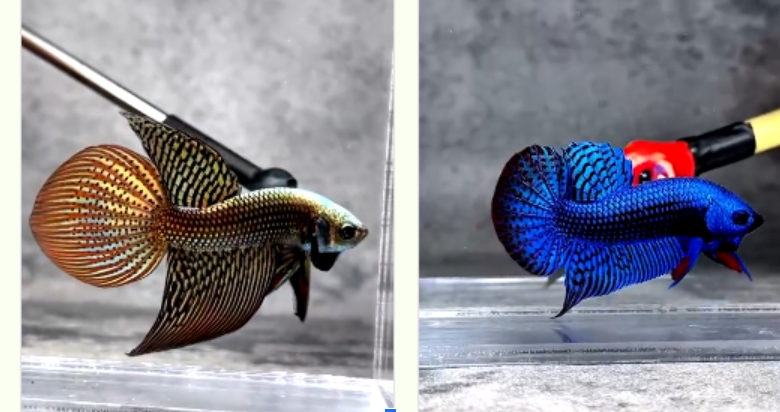
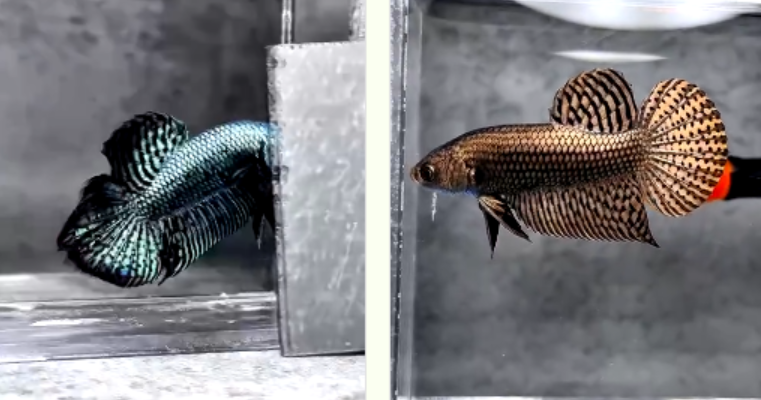
Betta fish vary widely in appearance depending on species and whether they are wild or domesticated. Domesticated bettas are often bred for bright colors and long fins, while wild bettas typically display more subdued tones such as browns, greens, blues, and reds. These natural colors provide camouflage and reduce visibility to predators.
Body shape and fin length in wild species are more compact and functional. Shorter fins improve swimming efficiency and reduce the risk of damage in dense vegetation. Size also varies by species, though most bettas remain relatively small compared to other freshwater fish.
Behavior and Social Structure
Betta fish are known for territorial behavior, especially among males. In the wild, males establish and defend territories that provide access to food and breeding sites. Aggression is usually situational and linked to competition rather than constant hostility.
Reproductive behavior differs across species. Some bettas build bubble nests at the water’s surface, where eggs are placed and guarded. Other species practice mouthbrooding, carrying eggs in the mouth until they hatch. These strategies increase the survival rate of offspring in unstable environments.
Despite their reputation, bettas are not universally aggressive. In appropriate conditions and with suitable tank mates, some species can coexist peacefully.
Feeding Habits
In nature, betta fish are carnivorous and feed primarily on insects, larvae, and small aquatic invertebrates. Their diet reflects what is available in shallow freshwater ecosystems. Feeding behavior is opportunistic and influenced by seasonal changes.
In captivity, a varied diet supports health and natural behavior. High-quality prepared foods supplemented with frozen or live foods help maintain proper nutrition, coloration, and activity levels.
See also: The Benefits of Regular Physical Therapy for Long-Term Health
Wild and Domesticated Betta Fish
Domesticated bettas have been selectively bred for appearance over many generations. While visually striking, some traits, such as excessive fin length can affect swimming ability and long-term health. Wild bettas retain traits shaped by environmental pressure rather than human selection.
Many aquarists interested in conservation and natural behavior choose to learn more about wild Bettas, as these fish offer insight into the species’ original characteristics. Keeping wild species often requires more attention to water conditions and habitat structure, but provides a more authentic representation of betta behavior.
Aquarium Care and Environment
Proper care begins with an appropriate aquarium setup. Bettas benefit from warm water, stable parameters, and gentle filtration. Heavily planted tanks with hiding spaces help reduce stress and mimic natural environments.
Tank size plays a role in overall health. While bettas can survive in small volumes, larger tanks provide better water stability and space for natural movement. Regular water changes and monitoring of water quality are essential.
Compatibility with other fish depends on species, tank size, and layout. Careful selection of tank mates reduces conflict and stress.
Conservation and Ethical Considerations
Wild betta populations face threats from habitat destruction, pollution, and climate change. Wetland drainage and agricultural expansion reduce available living spaces. In some areas, overcollection has also impacted local populations.
Responsible breeding programs and ethical sourcing help reduce pressure on wild populations. Supporting conservation-focused practices ensures the long-term survival of these species and preserves genetic diversity.
Conclusion
Betta fish are more than decorative aquarium pets. They represent a diverse group of species shaped by complex ecosystems and adaptive behavior. Understanding their origins, needs, and differences between wild and domesticated forms leads to better care and more responsible fishkeeping.
By recognizing the ecological background of betta fish and supporting ethical practices, aquarists can enjoy these fish while contributing to their long-term preservation.