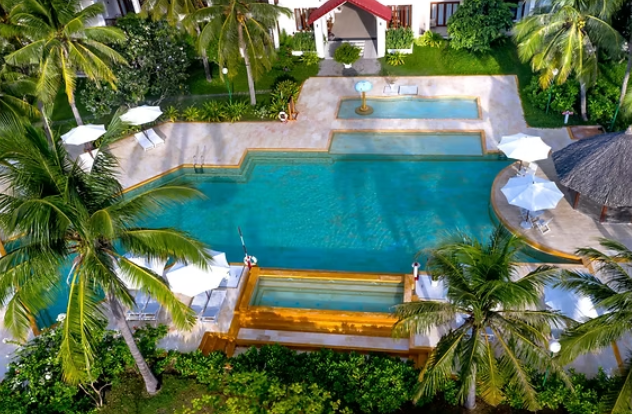
When people think about pool design, shape is often treated as a visual decision. Rectangular feels classic. Curved feels relaxed. Freeform feels natural. But shape does far more than set a mood. The way a pool is shaped quietly guides how people move through it, where they linger, and how the space feels when it is actually being used. Flow is not accidental. It is designed, whether intentionally or not.
A well-shaped pool can encourage conversation, casual swimming, quiet floating, or playful energy, sometimes all at once. Poorly considered shapes can do the opposite, creating awkward dead zones or areas that feel oddly unused. Understanding how shape influences movement helps homeowners make choices that feel good long after the novelty of the design wears off.
Flow Is About How People Naturally Move
Flow in a pool is not about water circulation alone. It is about how bodies move through space. People enter, walk, swim, pause, and exit in predictable ways, even if they are not conscious of it. Straight edges and long sightlines tend to invite continuous motion. Curves and narrowing spaces slow people down.
Think about how you move through a room. Open layouts encourage walking straight through. Smaller nooks make you stop. Pools behave the same way. Shape acts like an invisible guide, gently directing traffic without signs or instructions.
Rectangular Pools Create Direction and Rhythm
Rectangular pools are often associated with laps, and for good reason. Their straight lines create a clear sense of direction. Swimmers know where to go, how far they are traveling, and where to turn around. This predictability creates rhythm, which is why rectangular shapes work well for exercise and structured use.
Movement in these pools tends to be linear. People swim back and forth, walk along edges, and gather at corners or steps. The flow feels purposeful. For homeowners who value routine swimming or want a clean, organized feel, this shape reinforces those behaviors naturally.
That said, rectangles can feel rigid if not softened with thoughtful features. Wide steps, shallow tanning ledges, or offset entry points can break up the strict movement pattern and make the pool feel more welcoming.
Curved and Oval Shapes Encourage Wandering
Pools with curved edges create a very different experience. Instead of telling swimmers where to go, they invite exploration. Movement becomes slower and more organic. People tend to drift, float, or casually swim without a set destination.
These shapes reduce the sense of start and finish. There is no obvious turnaround point, which makes the pool feel less task-oriented. This is why curved and oval pools often feel more social. People stop along the edges, lean into curves, and naturally cluster in wider sections.
The absence of sharp corners also changes how people interact. There are fewer obvious gathering points, so conversations form wherever space allows. It feels relaxed, almost like a small body of water rather than a constructed object.
Freeform Shapes Create Zones of Activity
Freeform pools are often designed to mimic natural water features, and their influence on movement reflects that goal. These shapes typically include varied widths, depths, and edge treatments. Each change subtly signals a different type of use.
A narrow section might encourage swimming through, while a wider bay invites standing and talking. A tucked-away curve might become a quiet retreat. Movement becomes layered, with multiple flows happening at once.
The key to successful freeform design is balance. Too many curves without purpose can confuse movement and leave areas unused. When done well, though, freeform shapes create a sense of discovery. People move differently each time they enter, depending on mood and company.
Steps, Ledges, and Entries Shape How Flow Begins
No matter the overall shape, the entry point sets the tone for movement. Wide steps encourage lingering. Gradual slopes invite walking. Sharp drop-ins signal immediate swimming. These features influence how people transition from land to water, which affects the entire flow pattern.
A pool with a shallow ledge near the entry often becomes a social hub. People pause there, talk, and acclimate. This slows overall movement and creates a welcoming feel. In contrast, a pool that drops quickly into deeper water pushes people to move away from the edge, increasing circulation and active use.
Entry placement matters too. Centered entries divide movement evenly, while offset entries create directional flow. Even subtle choices here can change how the pool feels during a busy afternoon.
See also: How Online Retail Is Adapting to Modern Consumer Lifestyles
Corners, Curves, and Gathering Points
Corners act like magnets. In rectangular pools, people naturally gravitate toward them, whether to rest, chat, or hold onto the edge. Curves distribute that behavior more evenly, reducing crowding in specific spots.
Designers often use intentional bulges or indentations to create gathering points. These areas slow movement and encourage interaction. Without them, swimmers may continuously circulate without stopping, which can feel restless in a social setting.
Understanding where people are likely to stop helps avoid congestion and ensures the pool supports both movement and pause. A good pool does not force activity or stillness. It allows both to coexist.
Matching Shape to How You Want to Use the Pool
The most important question is not which shape looks best in photos. It is how you want the pool to feel on an average day. Is it a place for quiet floating after work. A gathering spot for friends and family. A space for daily exercise.
Shape influences those experiences more than most people realize. A pool designed with flow in mind feels intuitive. People move comfortably without thinking about where to go or where to stand. The space works with them, not against them.
Designing Movement That Feels Effortless
Custom pool shapes are about more than aesthetics. They quietly choreograph how people move, interact, and relax. When shape supports natural behavior, the pool feels effortless to use. When it does not, even beautiful designs can feel awkward.
The best pools rarely draw attention to their shape once they are in use. Instead, they fade into the background, letting movement feel easy and unforced. That is the real sign of thoughtful design. Not just how the pool looks when no one is in it, but how it feels when everyone is. If you are looking for pool builders in Bluffton, SC, there are contractors who can help.