How Homeowners Can Make Smarter Roof Replacement Decisions Before Small Problems Become Expensive Ones

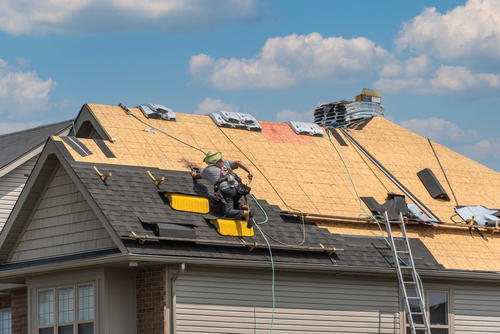
A roof rarely demands attention at a convenient time. Most homeowners do not think much about it until they spot a ceiling stain, find shingles in the yard, or notice that one rough storm suddenly makes an old system feel far less dependable.
That is why the best roofing decisions usually happen before an emergency. When homeowners understand what drives roof performance, lifespan, and repair costs, they are better equipped to protect their home, budget, and peace of mind.
Why Roof Problems Often Go Unnoticed Until They Escalate
Roofs are easy to ignore because the earliest warning signs are subtle. A few lifted shingles, minor flashing wear, or small ventilation issues may not create obvious leaks right away. But over time, those small problems can trigger larger ones, including water intrusion, insulation damage, mold risk, and higher energy bills.
In many cases, homeowners assume a roof is either “fine” or “failing,” when the reality is more gradual. Roofing systems age in stages. Materials lose granules, seals weaken, and repeated exposure to sun, wind, and storms creates cumulative wear. By the time interior damage shows up, the roof may have been signaling trouble for months.
That is why proactive evaluation matters. A roof does not need to be at the point of collapse to justify attention. Sometimes the smartest move is simply identifying whether repairs, maintenance, or replacement will be the most cost-effective option over the next several years.
See also: Investing in Your Home: Why Climate Control is the Ultimate Amenity
The Factors That Matter Most in a Replacement Decision
Roof replacement is not just about swapping old shingles for new ones. It is about choosing a system that fits the structure, climate, and long-term goals of the property.
Here are some of the biggest factors homeowners should consider:
- Age of the current roof: Older roofs may still look acceptable from the ground while nearing the end of their reliable service life.
- Storm history: Homes exposed to hail, heavy wind, or repeated severe weather often experience damage that compounds over time.
- Ventilation quality: Poor attic ventilation can shorten roof life and contribute to moisture buildup and temperature imbalance.
- Visible wear patterns: Curling shingles, bare patches, soft spots, and recurring leaks usually point to deeper system issues.
- Future plans for the home: Someone planning to stay long term may prioritize durability and warranty protection, while a near-term seller may focus on presentation and functional reliability.
A replacement decision becomes easier when homeowners stop thinking only in terms of upfront price. The better question is whether the new roof will reduce future disruptions, improve efficiency, and provide stronger overall value.
What a Good Roofing Project Should Actually Deliver
Many people judge a roofing project by one simple outcome: whether the leak stopped. But a strong roofing project should deliver more than a short-term fix.
A well-planned roof replacement should improve:
Structural protection
The roof should defend the decking, attic, insulation, and interior from moisture intrusion. Protection is the baseline, not the bonus.
Weather resilience
A roof should be selected and installed with local weather patterns in mind. Wind resistance, water shedding, and material durability all matter, especially in regions that experience seasonal storms.
Energy performance
Roofing choices can influence attic temperatures and interior comfort. When paired with proper ventilation and the right materials, a replacement may help the home perform more efficiently year-round.
Curb appeal and resale confidence
A roof is one of the most visually prominent parts of a house. Clean lines, consistent materials, and an updated appearance can noticeably improve how a property looks and feels.
These outcomes depend not only on the shingles themselves, but on installation quality, underlayment, flashing, ventilation, and attention to detail across the whole system.
Questions Homeowners Should Ask Before Hiring a Roofing Contractor
Choosing a contractor is often harder than choosing the roof. Homeowners may receive multiple estimates that look similar on paper but differ significantly in workmanship standards, communication quality, and project scope.
Before committing, it helps to ask:
- What exactly is included in the estimate?
- Will damaged decking or hidden issues be addressed if discovered?
- How will ventilation and flashing be evaluated?
- What warranties apply to materials and workmanship?
- Who will be on-site managing the project?
- What does cleanup and post-project inspection look like?
The goal is not to turn the process into an interrogation. It is to make sure expectations are clear before work begins. Roofing projects are smoother when homeowners understand the process, timeline, and standards from the start.
For readers who want a clearer sense of how a contractor in this space presents roofing, storm restoration, and exterior service priorities, idealprecisionroofing.com offers helpful context for the kinds of issues homeowners often compare when researching options.
Why Timing Matters More Than Many Homeowners Realize
One of the costliest roofing mistakes is waiting too long. A roof that might be manageable with targeted action in one season can become a much larger expense after another round of bad weather.
Delays can lead to:
- Interior water damage
- Damaged insulation
- Rot in wood components
- Repeated repair bills
- Insurance headaches after preventable deterioration
That does not mean every aging roof needs immediate replacement. It means timing should be strategic instead of reactive. Homeowners benefit from acting when they still have choices, rather than when an emergency removes them.
A calm, scheduled roofing project is usually easier to manage than a rushed one after major storm damage. It also gives homeowners more time to compare materials, review estimates, and ask better questions.
The Long-Term Value of Thinking Beyond the Patch Job
Repairs absolutely have their place. In many cases, a roof with isolated damage can be restored successfully without full replacement. But repeated patchwork on a failing system often creates the illusion of savings while increasing total spending over time.
A smarter long-term approach weighs three questions:
Is the problem isolated or systemic?
A single damaged section is different from widespread material fatigue across the roof.
Will this repair extend meaningful life?
A repair should buy real time, not just delay the same problem for a few months.
Does the current roof still support the home’s needs?
If the system struggles with ventilation, weather resistance, or recurring leaks, a replacement may offer better overall value than another temporary fix.
Homeowners do not need to become roofing experts to make good decisions. They simply need to view the roof as a complete protective system rather than a surface-level feature. Once that mindset changes, the decision-making process becomes much clearer.
Conclusion
A roof replacement is one of the most important home improvement decisions a homeowner can make, not because it is glamorous, but because it affects protection, comfort, efficiency, and confidence in the property. The best outcomes usually come from early attention, careful evaluation, and a willingness to look beyond the cheapest immediate option.
When homeowners understand the warning signs, ask stronger questions, and think in terms of long-term performance, they put themselves in a much better position to make a decision they will not regret later.