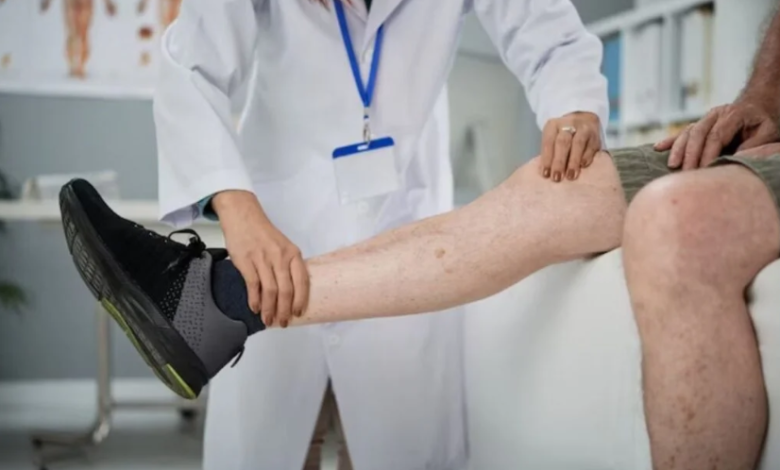
Spider veins represent a common vascular condition affecting almost half of adults in the United States. These small, dilated blood vessels are visible near the skin’s surface, and they typically manifest as red, blue, or purple lines in a web-like pattern. Here is more information on spider veins and compression therapy:
What Are Spider Veins?
Spider veins are minute, damaged veins that sit within the superficial layers of the skin. They frequently appear on the legs and face, creating clusters that resemble tree branches or spider webs. Although they share similarities with varicose veins, spider veins are smaller, do not bulge, and are generally less painful, but they involve the same underlying mechanism. The condition is more common among women.
What Causes Them?
The condition involves malfunctioning one-way valves within the veins. When these valves become weak or damaged, they fail to prevent blood from flowing backward, leading to pooling and increased pressure within the vessel. This sustained pressure causes the vein wall to weaken and dilate, making the vessel visible through the skin.
Genetics is a primary determinant, meaning individuals with a family history of venous disease are at higher risk of developing it. Hormonal fluctuations associated with pregnancy and menopause may contribute to vein dilation. Occupations requiring prolonged standing or sitting increase gravitational pressure on the legs, and this exacerbates the risk of venous insufficiency.
What Are the Symptoms?
Symptoms vary, and some patients experience no physical discomfort associated with spider veins. Symptomatic patients may describe sensations of burning, stinging, or throbbing localized to the area of the visible veins. Symptoms may intensify after prolonged immobility, such as standing or sitting for the duration of a work shift. Patients also sometimes experience leg fatigue.
What Is Compression Therapy?
Compression therapy is a conservative treatment modality that utilizes specialized garments to apply controlled pressure to the lower limbs. These stockings work through graduated compression, meaning the pressure is strongest at the ankle and gradually decreases as it moves up the leg. This gradient assists the calf muscle pump, pushing blood upward against gravity and toward the heart.
Garments are available in various pressure classes, measured in millimeters of mercury (mmHg). Lower grades are available over the counter for mild support, while higher compression levels require a prescription from a medical professional. A physician determines the appropriate class based on the severity of the patient’s venous disease and their medical history.
The efficacy of this therapy relies on consistent use and proper fitting. Patients measure their legs precisely to select a garment that provides therapeutic benefit without causing restriction. Improperly fitted stockings or tourniquet effects may occur if the size is incorrect, so professional fitting is recommended.
See also: Should Employers Offer Telehealth Weight Care
What Are the Benefits?
The primary benefit of compression therapy is the reduction of venous hypertension. By narrowing the vein diameter, the stockings increase blood flow velocity. This support can alleviate common symptoms such as aching, heaviness, and leg fatigue, allowing patients to remain active with less discomfort.
Compression therapy also plays a preventative role in the progression of chronic venous disease. While the garments do not remove existing spider veins, they reduce the sustained pressure that causes new veins to form. Regular use stabilizes the condition, helping to prevent the development of larger, more problematic varicose veins in the future.
Consult a Specialist Today
A consultation with a qualified vascular specialist allows for a comprehensive assessment of venous health. These professionals identify the root cause of the visible veins, and they prescribe the specific compression therapy needed to achieve the desired results. Schedule an appointment today to learn more about compression therapy.