Mental Health Services and Casino Online Gambling Risk in Canada: Understanding Impacts and Supports

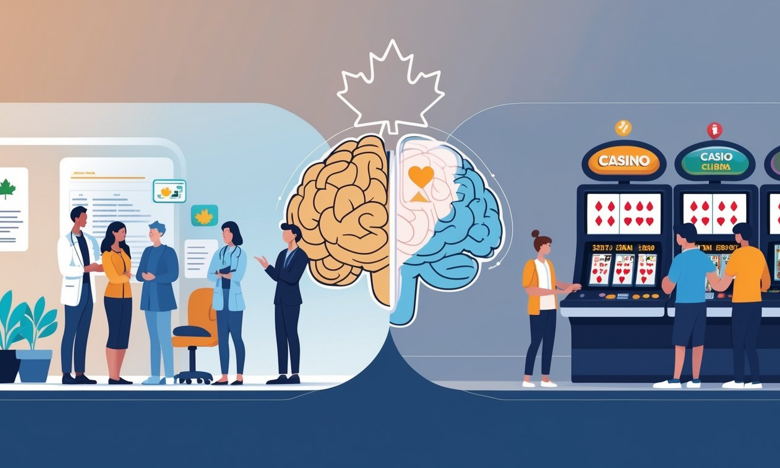
Casino online gambling affects millions of Canadians each year, with approximately 64.5% of adults participating in some form of activity. While most people gamble without experiencing serious problems, a significant minority face mental health challenges as a result. Understanding the relationship between gambling and mental health is essential for recognizing when recreational activity crosses into harmful territory.
Mental health services play a critical role in addressing gambling-related harm, as problem gambling is strongly linked to financial strain, social isolation, psychological distress, and in severe cases, suicidal thoughts. Research indicates that about 1.6% of Canadian gamblers show moderate-to-severe risk for problem gambling. These individuals often require specialized support to address both their gambling behaviour and its impact on their overall well-being.
The availability of mental health resources for problem gamblers in Canada varies across provinces and communities. Knowing what services exist, how to access them, and when to seek help can make a substantial difference in recovery outcomes. This article examines the connection between casino gambling and mental health in Canada, along with the support systems available to those affected.
Understanding Problem Gambling and Its Severity
Problem gambling exists on a continuum, ranging from casual social participation with no harmful effects to pathological gambling with severe consequences. The Problem Gambling Severity Index (PGSI) serves as the primary assessment tool in Canada to measure gambling-related harm and categorize risk levels.
Gambling becomes problematic when it interferes with your daily activities, work performance, relationships, and overall mental health. This isn’t solely about financial losses. The behaviour affects multiple life domains simultaneously, creating cascading effects on your psychological well-being and social functioning.
The severity of gambling problems varies significantly among individuals. Some experience mild disruptions while others face severe pathological gambling requiring intensive intervention. Mental health professionals use standardized screening tools like the PGSI to determine appropriate treatment pathways and measure the extent of gambling-related harm in your life.
Risk Factors and Populations Most Affected
Certain characteristics increase your vulnerability to developing gambling problems. Research from the 2018 Canadian Community Health Survey identified specific demographic and behavioural patterns associated with higher risk levels.
Mental health conditions substantially elevate gambling risk. If you experience anxiety, depression, or substance use disorders, you face increased vulnerability to developing problematic gambling patterns. The relationship between pre-existing mental health conditions and gambling creates complex feedback loops that intensify both issues.
Young adults, males, and individuals with lower socioeconomic status show higher rates of problem gambling. Social isolation and psychological distress also correlate strongly with gambling harm. Your access to disposable income, proximity to gambling venues, and exposure to gambling advertising further influence risk levels.
Mental Health Consequences of Gambling
Problem gambling generates significant mental health impacts that extend beyond financial strain. You may experience psychological distress, anxiety disorders measurable through tools like the GAD-7, and severe depression requiring clinical intervention.
Financial consequences create cascading mental health effects. As gambling losses accumulate, you face increased stress about debt, housing security, and basic needs. This financial strain contributes to social isolation as you withdraw from relationships and activities to hide gambling behaviour or cope with shame.
In severe cases, problem gambling leads to suicidal ideation and attempts. The combination of financial devastation, relationship breakdowns, and overwhelming guilt creates acute mental health crises. Research from Mental Health Research Canada (MHRC) confirms these associations, particularly among individuals with moderate-to-severe gambling problems.
Longitudinal studies demonstrate how gambling-related harm compounds over time. Your mental health deteriorates progressively as gambling continues, creating cycles of increased betting to escape negative emotions, which then generates more psychological distress.
Types of Gambling and Associated Risks
Different gambling formats carry varying risk profiles for developing problems:
High-Risk Activities:
- Slot machines and electronic gaming machines
- Online gambling platforms
- Sports betting
Moderate-Risk Activities:
- Casino table games
- Bingo halls
Lower-Risk Activities:
- Lottery tickets
- Scratch tickets
Slot machines present particularly high risks due to rapid play cycles, immediate results, and immersive environments. Online gambling increases accessibility and removes natural stopping points, allowing you to gamble continuously without physical or social barriers.
Sports betting combines skill perception with chance outcomes, creating cognitive distortions about your ability to control results. The recent expansion of legal sports betting in Canada raises concerns about increased exposure and normalized gambling behaviour, especially among younger demographics.
Support and Treatment Services for Gambling-Related Harm
Multiple organizations provide specialized support for gambling-related problems. The Centre for Addiction and Mental Health (CAMH) offers comprehensive treatment programs addressing both gambling behaviour and co-occurring mental health conditions.
Provincial mental health and addiction services deliver accessible intervention options. You can access counselling, cognitive-behavioural therapy, support groups, and crisis intervention through publicly funded programs across Canada.
If you’re experiencing immediate mental health crisis related to gambling stress, the Canada Suicide Prevention Service (1-833-456-4566) provides 24/7 assistance by phone or text. This line offers emotional support, safety planning, and connections to local resources when you’re facing overwhelming anxiety, depression, or thoughts of self-harm.
Treatment approaches address underlying mental health conditions alongside gambling behaviour. Integrated care models recognize that effectively treating problem gambling requires managing co-occurring depression, anxiety, and other psychological issues simultaneously.
Prevention and Harm Reduction Strategies
The Canadian Centre on Substance Use and Addiction (CCSA) develops evidence-based materials to support informed gambling decisions. These resources help you recognize early warning signs and understand situational risks that increase harm potential.
Harm reduction focuses on minimizing negative consequences rather than demanding complete abstinence. You can implement strategies like setting time and money limits, avoiding high-risk gambling formats, and recognizing emotional triggers that prompt excessive betting.
Public health approaches emphasize population-level interventions. These include responsible gambling messaging, advertising restrictions, venue-based interventions, and training for gambling industry staff to identify and respond to problem gambling indicators.
Self-exclusion programs allow you to voluntarily ban yourself from casinos and online gambling platforms. These tools create barriers during vulnerable periods and support recovery efforts by reducing access and temptation.
Role of Research and Key Organizations
Mental Health Research Canada (MHRC) conducts ongoing research examining gambling’s association with mental health outcomes. In partnership with Pollara Strategic Insights, MHRC released studies in November 2025 revealing how gambling contributes to financial strain, social isolation, and psychological distress among problem gamblers.
Greo Evidence Insights provides evidence synthesis and knowledge translation about gambling harm. Their work informs policy development and clinical practice by consolidating research findings into accessible formats for decision-makers and service providers.
The 2018 Canadian Community Health Survey Gambling Rapid Response collected national data about gambling participation and problems among Canadians aged 15 and older. This population-level data guides resource allocation and identifies emerging trends requiring public health responses.
Research organizations collaborate to establish evidence-based gambling policies. These partnerships between academic institutions, health authorities, and advocacy organizations ensure that prevention strategies and treatment services reflect current scientific understanding of gambling-related harm and effective interventions.