Waterproof plywood is commonly used by many Indian households throughout the country for areas that often experience moisture, such as kitchens, bathrooms & utility rooms. The plywood is marketed as a solution to common problems associated with wood products, including swelling, warping, and delamination; however, many homeowners still have the question, “Can waterproof plywood warp or swell?” The straightforward answer is yes; yet, this only occurs under a few very specific circumstances.
What Makes Waterproof Plywood Resistant to Moisture
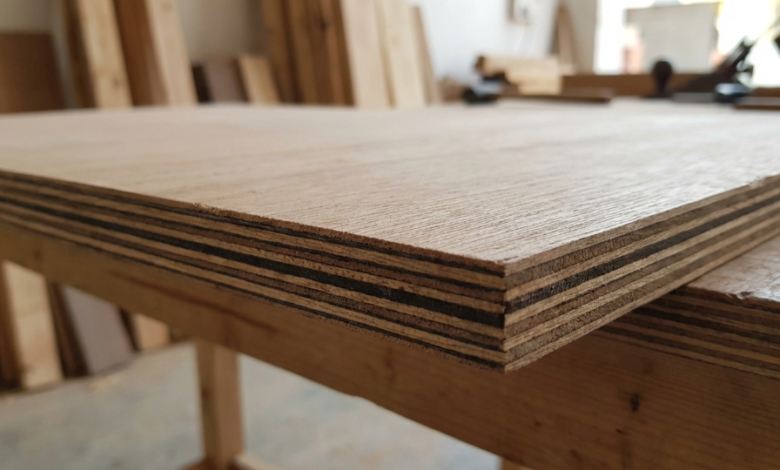
Waterproof plywood is created using high-quality hardwood veneer that is bonded using a waterproof adhesive system, specifically developed to prevent water from penetrating the core. As a result, waterproof plywood greatly exceeds the ability of standard plywood to withstand moisture, humidity, and steam. At a minimum, a waterproof plywood core will maintain its natural state, and therefore will generally remain in good condition for a long time.
Can Waterproof Plywood Swell?
Under standard use scenarios, waterproof plywood is unlikely to absorb a significant amount of water. However, if the waterproof plywood is exposed to extreme and/or prolonged conditions (e.g., continuous water accumulation; improperly sealed edges; improper installation), it is still possible for waterproof plywood to absorb some moisture. In this case, water absorption is not a failure of the product, but rather an outcome of exceeding the limitations of the product. For instance, correctly sealing the edges and properly installing waterproof plywood are critical in preventing moisture absorption.
Can Waterproof Plywood Warp?
Warping (bowing) typically results from exposure to uneven levels of moisture or from improper storage prior to installation. Waterproof plywood has a significantly reduced risk of warping because of the uniform core structure and superior glue bond. If, however, waterproof plywood is left in a damp setting; is installed before allowing acclimation time; or is fixed into place without proper bracing, it has the potential to warp with time.
Factors That Increase the Risk of Damage
There are a number of different factors, which affect the performance of waterproof plywood by…
- Continuous direct contact with standing water (e.g. excessive water on floor)
- Inadequate ventilation in confined spaces
- Poorly sealed edges and surfaces
- Utilization of cheap or non-certified waterproof plywood
If these factors are not controlled, there will be a significantly greater risk of bowing or swelling of waterproof plywood.
See also: Why Custom Home Office Cabinet Design Matters More Than Ever
How to Ensure Long-Term Stability
To get optimal use out of waterproof plywood, always follow proper installation; seal all edge areas; ensure proper ventilation; and eliminate standing water. It is also very helpful to purchase certified, high-quality waterproof plywood products when selecting waterproof plywood for moisture-prone areas. Many homeowners and professionals rely on Royale Touche Waterproof Plywood for these types of applications due to its consistently superior performance and resistance to damage over time.
Final Verdict
Waterproof plywood has a high resistance to bowing and swelling; however, waterproof plywood will not last forever. If installed and used properly, and with proper care, waterproof plywood will remain a reliable source of plywood for moisture-prone areas. By understanding the limitations of waterproof plywood and adhering to best practices, homeowners can create a long-lasting, trouble-free interior for their home.