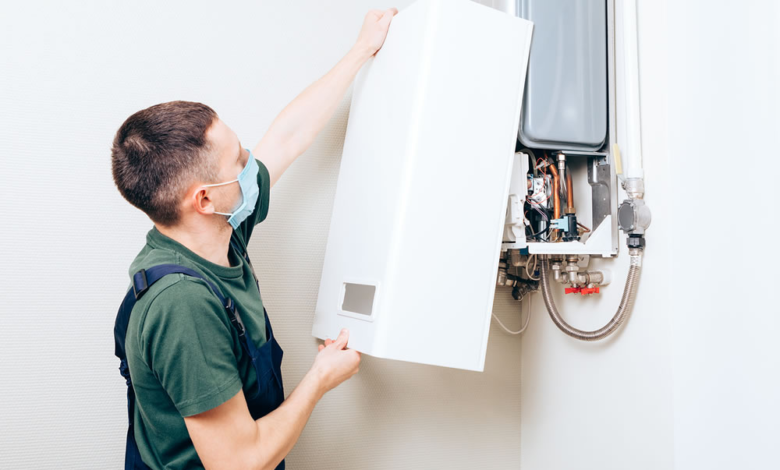
Winter mornings are hard enough without walking into a cold house because the boiler has packed in overnight. Most breakdowns during the cold months trace back to a small set of causes: a stuck valve, a blocked condensate pipe, low system pressure, worn seals, or an ignition fault that has been building for weeks. A yearly service catches these problems while they are still cheap fixes rather than emergency call outs at six in the morning in January.
A boiler service is a yearly safety and performance check carried out by a Gas Safe registered engineer. Book one in September or October, before the heating season puts full demand on the system.
• The visit usually takes 30 to 45 minutes and covers gas pressure, flue condition, seals, and internal components
• Skipping a service raises the risk of breakdowns, void warranties, and undetected carbon monoxide leaks
• Manufacturers generally require proof of annual servicing to keep the warranty valid
• Most winter breakdowns trace back to a problem a service would have caught months earlier
What Does a Boiler Service Actually Involve?
A boiler service involves a Gas Safe engineer inspecting the burner, heat exchanger, flue, seals, and controls, then testing gas pressure and combustion readings against manufacturer specifications. Worn parts get flagged, and the engineer confirms the boiler runs safely and efficiently before signing off the visit.
See also: Why Professional Tile Installation Matters for Tampa Homes
What’s Included in a Standard Service Visit
• Visual inspection of the casing and internal components for damage or corrosion
• Check of the flue for blockages and correct ventilation
• Test of gas pressure and burner performance
• Inspection of seals, ignition components, and safety devices
• Check of the condensate pipe for blockages, a common cause of winter breakdowns
• Confirmation the boiler operates within safe carbon monoxide limits
Engineers also check system pressure and top it up if needed, since low pressure is one of the fastest ways a boiler shuts itself down as a safety measure. A written service record gets left behind too, which matters for warranty claims and for any future engineer working on the system.
When Should You Book a Boiler Service?
Late summer or early autumn is the best time to book a boiler service, before engineers get booked solid with emergency winter call outs and before the system faces its first real cold snap. Waiting until the first frost usually means longer waits for an appointment and a higher chance the boiler has already started struggling.
• September and October are the quietest months for most heating engineers
• Booking early means any parts on order arrive before they are actually needed
• A pre winter check gives time to budget for any repairs found during the visit
• Landlords have a legal duty to arrange this check annually for rented properties
Homeowners who wait until the heating stops working entirely usually deal with two problems at once: the emergency repair and the inspection that would have caught it. Booking ahead avoids that stacking of stress and disruption.
The easiest way to stay on top of it is to get a boiler service scheduled as soon as the summer slows down, while appointments are still easy to arrange and there is no pressure to rush a decision.
The 5 Most Common Winter Boiler Breakdowns (and How Servicing Prevents Them)
Cold weather puts more strain on a heating system than any other time of year, and that strain tends to expose problems that are already forming. Here are the five breakdowns engineers see most often between November and February, along with how a service catches them early.
1. Frozen Condensate Pipe
Modern condensing boilers produce acidic waste water that drains outside through a condensate pipe. In freezing weather, that water can freeze inside the pipe and block it completely, triggering a fault code and shutting the boiler down. Servicing checks the pipe’s route and insulation, and an engineer can reroute or lag a pipe that runs through an unheated space before winter arrives.
2. Low System Pressure
Pressure naturally drops over time through small leaks, radiator bleeding, or general wear on seals. A boiler running below its minimum pressure will often refuse to fire, leaving the house cold until someone tops it up manually. A service identifies slow leaks early and repressurises the system, so it does not fail on the coldest night of the year.
3. Thermostat or Control Faults
Wiring faults, dead batteries, or a failing printed circuit board can all make a boiler ignore commands from the thermostat, even when the boiler itself is working fine. These faults tend to show up gradually, with the heating turning on late or cutting out early, before failing completely. Testing the controls during a service catches this drift before it becomes a full outage.
4. Worn Seals and Valves
Seals and valves degrade with heat cycling, and by the time a leak becomes visible, the part has usually been failing for months. Left unchecked, a leaking valve can drop system pressure, damage nearby components, or in some cases cause water damage to flooring and walls. An engineer replaces worn seals during a routine visit rather than waiting for them to fail mid winter.
5. Ignition and Pilot Light Failures
Dirt, corrosion, or a failing ignition lead can stop a boiler from lighting at all, and this is one of the most common reasons for an emergency call out in the depths of winter. Cleaning and testing the ignition system during a service prevents the sudden no heat, no hot water situation that tends to happen at the worst possible moment.
Why an Annual Boiler Service Matters More Than You Think
An annual boiler service does more than tick a box for the warranty. It’s the one point in the year when someone actually opens the case and checks components you would never see otherwise, like the heat exchanger and internal wiring. Skipping a year does not usually cause an immediate problem, but small faults compound, and a boiler that has gone two or three years without a check often needs more extensive repair work than one serviced every year.
There is also a safety angle that goes beyond convenience. A poorly maintained boiler can produce carbon monoxide, a gas with no smell or colour that causes serious harm before anyone notices something is wrong. Annual servicing includes a combustion analysis specifically to catch this risk before it becomes dangerous.
Simple Checks You Can Do Between Services
Not every check requires a qualified engineer. A few basic habits between service visits can catch small problems before they turn into breakdowns.
• Check the pressure gauge monthly and top up if it drops below 1 bar
• Bleed radiators that feel cold at the top but warm at the bottom
• Keep the area around the boiler clear so vents are not blocked
• Listen for unusual noises like banging or gurgling, which often signal air in the system or a failing pump
• Check the external flue terminal is not blocked by leaves, snow, or nesting birds
None of these replace a proper inspection, but they help catch early warning signs and keep the system running smoothly between visits.
Choosing Professional Boiler Servicing
Not every engineer offering to look at a boiler is qualified to do so safely. Professional boiler servicing should always be carried out by someone on the Gas Safe Register, since anyone working on gas appliances in the UK is legally required to hold this qualification. Always ask to see the engineer’s Gas Safe ID card before they start work, and check the registration number if there is any doubt.
A good engineer will also explain what they found, rather than just handing over a certificate. That conversation matters, because it gives a homeowner a realistic picture of how much life is left in the current system and whether any parts need replacing soon.
Final Thoughts
Winter breakdowns rarely come out of nowhere. Almost every emergency call out traces back to a fault that had been building quietly for months, and a proper service is the one chance each year to catch it before the cold weather does the rest. 0800Homefix has engineers on the Gas Safe Register who carry out thorough inspections across the country, and booking a visit before autumn is a straightforward way to head into winter with confidence that the heating will actually work when it is needed.
Frequently Asked Questions
1. How often should a boiler be serviced?
Once a year is the standard recommendation from every major manufacturer, usually scheduled in late summer or early autumn before the heating season begins.
2. How long does a boiler service take?
Most services take between 30 and 45 minutes, though older boilers or ones with existing faults can take longer.
3. What happens if a boiler is not serviced?
Skipping a service increases the risk of breakdowns, invalidates most manufacturer warranties, and can leave safety issues like carbon monoxide leaks undetected.
4. Can I service my own boiler?
No. Gas appliances in the UK must legally be serviced by a Gas Safe registered engineer, and working on one without that qualification is against the law.
5. Is a boiler service the same as a boiler repair?
No. A service is a routine check to confirm the boiler is safe and running efficiently, while a repair fixes a specific fault that has already appeared.
6. Do landlords have to service boilers every year?
Yes. UK law requires landlords to arrange an annual gas safety check on any boiler in a rented property and provide tenants with a copy of the certificate.
7. What is the best time of year to service a boiler?
Late summer or early autumn works best, since engineers are less busy and any issues found can be fixed before cold weather increases demand on the system.
8. Why does my boiler lose pressure in winter?
Cold weather causes water to contract slightly and can expose small leaks that were not noticeable in warmer months, which shows up as a gradual pressure drop.
9. Can a frozen condensate pipe damage the boiler?
A frozen pipe usually triggers a safety shutdown rather than physical damage, but repeated freezing without insulation can eventually stress the pipe fittings.
10. What documents should I get after a service?
A written service record and, where relevant, a Gas Safety Certificate, both of which matter for warranty claims and for landlords meeting their legal obligations.